In recent years, continuous cropping that making the same crop repeatedly in the same soil is practiced. However, continuing to cultivate the same crop raises the problem of breeding bacteria and pests that propagate in the crops, and causing obstacles that damage to the crops. Therefore, in modern agriculture it is common to soil disinfection before planting crops in order to combat soil pests. Current mainstream is soil disinfection using agricultural chemicals, but environmental contamination due to overuse of agricultural chemicals is a problem, so alternative disinfection methods are required.
Ozone is very easy to oxidize, it has the effect of sterilization and deodorization. Moreover, it has a strong oxidation, it is photolytically degradated by ultraviolet light and returns to oxygen molecule, so there is no worry about residual pesticide. The use of ozone in various fields has been widespread, and it is expected to be applied to soil disinfection technology as a new ozone application field.
However, no technology has been developed to apply ozone in the vapor phase as a substitute for agricultural chemicals, and the influence of ozone on the soil is unknown. Since it is necessary to elucidate these and establish ozone supply method to the soil, we use ozone to treat soil and pests in soil. In addition, it is necessary to think about problems such as safety measures when using ozone and cost reduction of ozone generator for practical application.
Our group investigated the effects of ozone treatment on plant growth by developing a mobile ozone spraying system that performs ozone treatment while moving around an actual farm, and by conducting planting experiments using the system to treat soil with ozone. This planting experiment showed that ozone does not have any adverse effect on plant growth.Furthermore, we were able to confirm the insecticidal and fungicidal effects of ozone on pests and diseases by conducting ozone treatments targeting nematodes, which are insect pests in the soil, and Streptomyces, which causes plant diseases.
<Student in charge>
2012
Kenji Ueno(M2)、Keisuke Takigawa(M1)、Takuya Nagatomo(B4)
2013
Keisuke Takigawa(M2)、Takuya Nagatomo(M1)、Yuki Yamazaki(B4)
2014
Takuya Nagatomo(M2)
2015
Tomoya Abiru(M1)、Kosuke Sasaki(B4)、Akifumi Maeda(B4)
2016
Tomoya Abiru(M2)、Akifumi Maeda(M1)、Tatsuya Seto(B4)、Yuho Tokugawa(B4)
2017
Akifumi Maeda(M2)、Tatsuya Seto(M1)、Daigo Yasutake(B4)、Takahiro Yamasaki(B4)
2018
Tatsuya Seto(M2)、aigo Yasutake(M1)、Ayaka Miyamura(B4)
2019
Daigo Yasutake(M2)、Takumi Furusawa(B4)、Yuto Nomaguchi(B4)、趙 旋(B4)
2020
Yuto Nomaguchi(M1)
2021
Yuto Nomaguchi(M2)、Ryo Ikeda(B4)、Souhei Niihara(B4)
2022
Sohei Niihara(M1)、Hirotaka Tsutsumi(B4)、Keisuke Taniguchi(B4)、
Si Thu Han、Patamyar Oo
2023
Sohei Niihara(M2)、Patamyar Oo(SS)
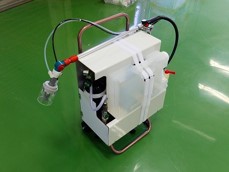
Portable ozone mist
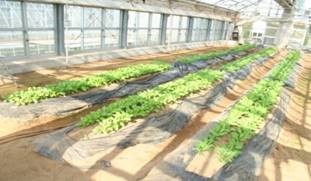
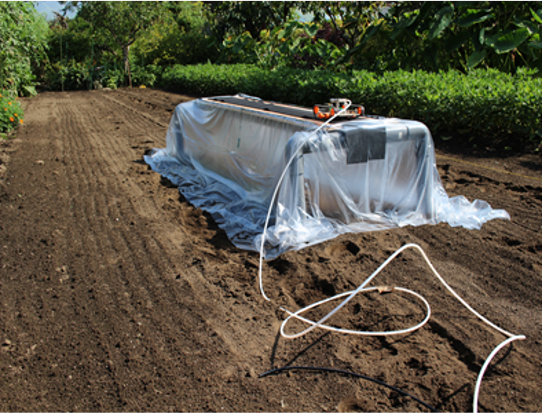
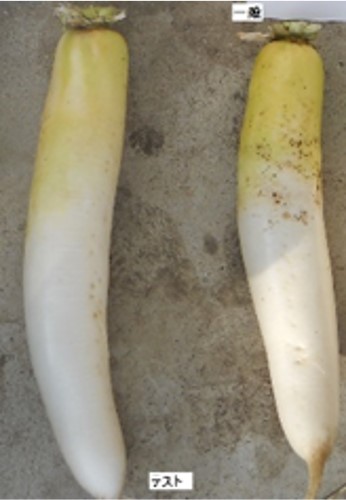
Effect of ozone treatment